
 ADAS Mobile Plus
 ADAS HD
 Radar 3-in-1
 ADAS Pro Plus
 tsap-5
 TSAP-3
 Launch TPMS Sensor
 TTH-84 EV Tool Cart
 Diagnostic Add On Kit
 Modularized Wireless Equalizer – EVB 624
 EV Battery Airtightness Tester – EVT511
 EV Battery Pack Module Charging & Discharging Equipment – EVP711
 Intelligent Digital Power Supply – ELA400
 EV Battery Pack Lift – TLT615A
 EV Tool Cart – TTH116
 Professional Insulation Tester – ES200
 EV Clamp – EG100
Professional Tools

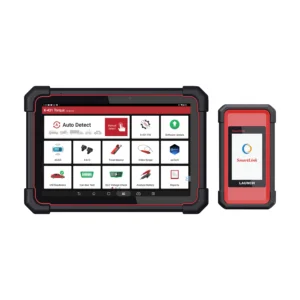
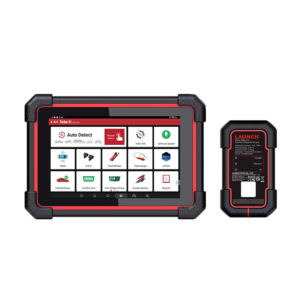
Vehicles today are built around electronic systems that control almost every function, including engine performance, fuel efficiency, braking, safety, and driver assistance features. As technology advances, diagnosing vehicle problems has become more complex. Traditional mechanical checks are no longer sufficient. For this reason, scan tools for vehicles have become essential for professional workshops, technicians, and service centers.
Modern diagnostics need access to real-time vehicle data, system communication, and precise fault identification. Professional diagnostic tools offer this access and help technicians grasp what is going on inside a vehicle before beginning repairs. Without proper diagnostics, repairs can turn into a lengthy, expensive, and unreliable process.
Professional diagnostic scan tools for all cars are designed to handle the growing complexity of modern vehicles. They support multiple vehicle systems, advanced testing, and wide brand coverage. These tools help workshops deliver faster diagnostics, reduce repeat visits, and improve customer trust.
The focus here is on professional car diagnostic tools built for serious automotive work. Whether managing a busy workshop, operating a dealership service bay, or working as an independent technician, having the right diagnostic solution directly improves efficiency, accuracy, and overall profitability.
Alongside the product selection, this content connects to in-depth guides that explain different types of diagnostic scan tools, highlight the differences between OBD2 scanners and professional tools, and compare entry-level options with expert solutions. Together, these resources are designed to support smart choices and help buyers choose the diagnostic tools that best match their technical needs and service goals.
Scan Tools for Vehicles
Scan tools for vehicles are electronic diagnostic devices that connect to a vehicle onboard diagnostic system. These tools retrieve data from control modules, detect faults, and provide insight into how different systems are functioning.
Every modern vehicle contains multiple electronic control units. These units manage systems such as the engine, transmission, braking, airbag, climate control, steering, and advanced driver assistance features. Professional diagnostic tools are designed to communicate with these modules to provide accurate and detailed diagnostics.
Professional car diagnostic tools enable technicians to read fault codes, view live sensor data, check system performance, and confirm repairs. Live data streams help identify problems that might not set off fault codes, such as intermittent sensor failures or performance inconsistencies.
One of the most important benefits of professional diagnostic scan tools for all cars is their ability to perform bi-directional testing. This lets technicians send commands to vehicle systems, activate components, and check if a system responds correctly. This level of interaction greatly improves diagnostic accuracy.
Vehicle compatibility is another main factor. Workshops often service multiple vehicle brands and models. Diagnostic tools are built to support domestic, European, and Asian vehicles, reducing the need for multiple tools and improving workflow efficiency.
From a business point of view, diagnostic tools save time and boost productivity. Faster diagnostics result in quicker repairs, lower labor costs, and fewer customer complaints. Investing in good scan tools for vehicles helps workshops remain competitive in a fast-changing automotive market.
Why Professional Diagnostic Tools Matter for Modern Workshops
Modern vehicles have complex electronics that need accurate diagnostic procedures. Using old or simple tools can lead to incomplete diagnostics and wrong issue identification.
Professional scanners provide structured diagnostic workflows that guide technicians through troubleshooting steps. This reduces guesswork and improves stability across repairs. For workshops training new technicians, guided diagnostics help maintain service quality.
Professional car diagnostic tools also support important service functions, including system resets, electronic parking brake service, steering angle calibration, and battery registration. These services are becoming more common and require specialized equipment.
Workshops that use professional diagnostic scan tools for all cars can offer more services. This increases revenue opportunities and helps the business become a reliable service provider for modern vehicles.
Available Diagnostic Tools
Our Professional Tools category includes diagnostic scan tools designed for use in real workshops. These scan tools for vehicles are built to handle daily diagnostic demands while delivering consistent and accurate results.
Unlike entry-level scanners, these diagnostic scanners provide deeper system access and advanced diagnostic capabilities. They help technicians move beyond basic fault detection and into complete system analysis and repair confirmation, including ADAS calibration.
This category features three professional scanners, each serving different workshop needs. Choosing the right tool depends on diagnostic complexity, vehicle range, and desired service capabilities.
Throttle V Professional Diagnostic Tool
The X-431 Throttle V is designed for professional workshops that need dependable and efficient scan tools for vehicles without unnecessary complexity. It focuses on accuracy, speed, and ease of use, making it an excellent choice for technicians who perform daily diagnostics and maintenance work.
This tool allows technicians to quickly read and clear fault codes across major vehicle systems. It offers access to the engine, transmission, ABS, and airbag systems. This helps technicians quickly identify problems. Live data monitoring lets users see sensor values in real time. This is crucial for finding performance issues and intermittent faults.
The Throttle V also supports common service functions such as oil reset, maintenance light reset, and system checks required during regular inspection. This makes it good for workshops that manage large numbers of vehicles and require professional car diagnostic tools to keep workflows running smoothly.
One of the key advantages of the Throttle V is its wide vehicle compatibility. It supports multiple brands and models, allowing workshops to service different vehicles without having to switch tools. This flexibility reduces equipment costs and improves productivity.
The Throttle V is ideal for workshops that want reliable, easy-to-use diagnostic scan tools for all cars, effective for everyday diagnostic needs. It is a strong solution for technicians who prioritize speed, consistency, and practical diagnostic performance.
Torque Link Professional Car Diagnostic Tool
The X-431 Torque Link is built for technicians who require deeper diagnostic capabilities and more control over vehicle systems. It is designed to handle complex diagnostic scenarios where standard vehicle scan tools are insufficient.
Enabling two-way communication, the Torque Link lets technicians interact with vehicle systems. With the Torque Link, users can activate parts like valves, relays, motors, and sensors to test system responses. This feature helps confirm if a component is working properly or needs replacement.
The Torque Link delivers detailed live data and system feedback, making it easier for technicians to see how different vehicle systems work together. This is especially helpful for identifying electrical and electronic issues that might not produce clear error codes.
Along with diagnostics, the Torque Link provides service functions that help workshops expand their service options. These include system resets, functional tests, and troubleshooting features that improve diagnostic accuracy and reduce repair time.
The Torque Link is suitable for growing workshops that want professional diagnostic tools capable of tackling more complex repairs. It connects routine diagnostics with high-level professional systems. This makes it a valuable investment for technicians who seek greater insight and control.
Turbo III Professional Diagnostic Scan Tool
The X-431 Turbo III is a high-performance diagnostic solution made for tough professional settings. It is designed for workshops that handle modern vehicles with complex electronic systems and need complete diagnostic coverage.
This tool supports full system diagnostics for all major vehicle modules. It lets technicians access engine, transmission, braking, safety, body control, and electronic systems from one platform. The Turbo III provides quick processing and precise results, even when addressing complex vehicle problems.
The Turbo III also supports advanced service and calibration functions. These features are crucial for today’s repairs that include electronic parking brakes, steering angle sensors, battery registration, and system calibrations. This makes the Turbo III one of the most effective professional diagnostic scan tools for all cars.
Another key strength of the Turbo III is its scalability. Regular software updates keep it compatible with new vehicle models and changing technologies. This helps workshops improve their diagnostic capabilities and remain competitive as vehicles become more sophisticated.
The Turbo III is best suited for workshops that require maximum diagnostic depth, advanced functionality, and long-term reliability. For professionals who want complete control and confidence when diagnosing modern vehicles, the Turbo III represents a top-tier professional car diagnostic tool.
For workshops that require maximum diagnostic capability and future-ready performance, the Turbo III offers the most advanced solution in this category.
Comparison Positioning of Throttle V, Torque Link, and Turbo III
Each professional diagnostic tool in this category is designed to support a specific level of diagnostic work. All three are reliable scan tools for vehicles, but they differ in diagnostic depth, system control, and suitability for various workshop environments. Knowing these differences helps workshops pick the right tool for their current needs and future growth plans.
The Throttle V is best suited for routine diagnostics, regular maintenance, and high-volume servicing. It focuses on fast and reliable diagnostics without adding unnecessary complexity. Workshops that primarily handle general vehicle servicing, inspections, and basic fault identification benefit from the Throttle V because it delivers accurate results quickly. Its simple operation allows technicians to move from vehicle to vehicle without slowing down workflow, making it ideal for service-focused workshops and independent technicians.
The Torque Link is positioned for workshops that face more complex diagnostic challenges and need greater interaction with vehicle systems. It offers deeper system access and supports two-way testing. This lets technicians command components and see how the system responds. This control is vital for diagnosing electrical faults, sensor failures, or communication problems. The Torque Link is a strong choice for workshops that want to move beyond basic diagnostics and offer more advanced troubleshooting services.
The Turbo III is designed for diagnostic environments that handle modern vehicles with complex electronics. It offers full system access, helpful service functions, and calibration features required for newer vehicle technologies. Workshops that service late-model vehicles, safety systems, and complex electronic repairs benefit the most from the Turbo III. Its capacity for growth and support for updates make it ideal for businesses wanting to expand in the long term.
In practical terms, the Throttle V supports quick and efficient everyday diagnostics. The Torque Link allows for deeper testing and repair confirmation. The Turbo III offers complete professional diagnostic capability. Together, these car diagnostic tools cover a wide range of diagnostic needs. This allows workshops to choose a solution that matches their technical skills, service areas, and business objectives.
Types of Car Diagnostic Scan Tools Explained
Car diagnostic scan tools are not all built the same. They differ in capability, system access, and the level of diagnostic work they support. Workshops and technicians need to understand these differences when choosing the right scan tools for vehicles according to their service needs.
Basic diagnostic tools are for simple tasks. They mainly read and clear fault codes and reset warning lights. These tools give limited information about vehicle systems and do not offer live data analysis or system testing. They are useful for quick checks, but they are not suitable for professional diagnostics on modern vehicles.
Mid-level diagnostic tools have more features than basic scanners. They support better diagnostics, give access to more vehicle systems, and allow limited service functions like maintenance resets. Small workshops, mobile technicians, and service providers often use these tools when they need more capability than entry-level options but do not need full advanced diagnostics.
Professional diagnostic tools provide the best diagnostic capability. They offer full system access, improved testing features, and broad vehicle coverage. These tools enable technicians to diagnose complex problems, check live data, conduct system tests, and confirm repairs accurately. Professional scanning tools for all cars are designed for daily workshop use and are the primary focus of this category.
For a better understanding of each tool type and how they work in real workshop situations, check out the detailed guide Types of Car Diagnostic Scan Tools Explained.
Difference Between OBD2 Scanners and Professional Scan Tools
OBD2 scanners serve basic emissions diagnostic needs. They read standardized fault codes tied to engine and emissions systems and help clear warning lights. While they are helpful for simple diagnostics, they provide limited system access and shallow diagnostic depth.
Professional scanning tools for all cars go far beyond emissions-related diagnostics. They provide access to multiple vehicle systems, including transmission, braking, safety, and body control modules. This allows technicians to identify issues that basic OBD2 scanners cannot detect.
Another major difference is functionality. Professional tools support two-way communication, allowing technicians to test components and check system responses. This type of interaction improves diagnostic accuracy and cuts down on unnecessary part replacement.
Professional scanners also support regular software updates, which expand vehicle coverage and maintain compatibility with new models. This makes them essential for modern workshops that service a wide range of vehicles.
To explore this comparison in more detail and understand why professional tools are critical for modern diagnostics, refer to the guide Difference Between OBD2 Scanners and Professional Scan Tools.
Entry-Level vs Professional Car Scan Tools
Entry-level scan tools are designed for affordability and ease of use. They offer basic diagnostic functions and are suitable for simple checks and occasional use. However, these tools have clear limitations when it comes to system access and diagnostic depth.
Professional car diagnostic tools are built for demanding workshop environments. They offer faster processing, advanced diagnostics, and the ability to handle complex vehicle systems, including ADAS calibration. These tools support daily use and provide consistent performance across a wide range of vehicles.
Professional tools also offer scalability. Through software updates and expanded features, they allow workshops to keep up with evolving vehicle technologies. This makes them a long-term investment rather than a short-term solution.
Workshops aiming to expand services, improve diagnostic accuracy, and increase efficiency benefit significantly from investing in professional tools. For a detailed comparison and buyer guidance, explore the guide Entry-Level vs Professional Car Scan Tools.
Frequently Asked Questions
What are scan tools for vehicles used for?
They diagnose vehicle issues by accessing onboard systems and identifying faults.
Are professional diagnostic tools worth the cost?
Yes, they improve accuracy, speed, and service quality while supporting advanced repairs.
Do professional scanning tools support vehicles across multiple brands?
Yes, they are designed to work across many vehicle manufacturers.
What makes professional car diagnostic tools different?
They offer full system access, live data, bi-directional testing, advanced functions, and support ADAS calibration.
Do these tools require updates?
Yes, updates ensure compatibility with new vehicles and technologies
Conclusion
Choosing the right scan tools for vehicles is essential for professional workshops working on modern cars. As vehicle systems become more advanced, accurate diagnostics play a critical role in delivering reliable repairs and efficient service. Basic tools are no longer enough to meet today’s diagnostic demands.
Professional diagnostic tools help technicians identify issues faster, confirm repairs with confidence, and work across multiple vehicle systems. This leads to improved turnaround time, fewer repeat repairs, and stronger customer trust. For workshops, this means better productivity and higher service value.
This category offers professional diagnostic scan tools for all cars, designed to support different levels of workshop needs. Whether you require dependable everyday diagnostics or advanced system control, the right solution is available here.
Explore the diagnostic tools in this category and upgrade your diagnostic capability to stay competitive and future-ready.